Glutathione: The Master Antioxidant Your Body Can't Do Without
Discover why glutathione is at the heart of natural detox, longevity, and healthy living and how this powerful antioxidant supports everything from cellular repair to healthy ageing, fertility, and recovery.
VITAMINS
Antonia Mantakaki Wright BSc, MSc
7/10/20269 min read
If you've spent any time in the wellness world, you've probably heard glutathione mentioned in the same breath as "detox," "glowing skin," or "anti-ageing." At Olympian Wellness Clinic, we like to look past the buzzwords and explain what's actually happening in your cells. We believe that understanding why something works is what helps you make it part of a sustainable routine, not just a trend.
So let's talk about glutathione: what it is, why your body can't function without it, and how it connects to everything from healthy ageing and fertility to your next sauna session.
What Is Glutathione?
Glutathione is a small but mighty molecule made from three amino acids — cysteine, glutamine, and glycine — and it's produced by every single cell in your body. Unlike vitamins C and E, which you have to get from food, glutathione is manufactured internally, primarily in the liver, which is one of the reasons it's so central to detoxification.
It exists in two forms: the active, "reduced" form (GSH) and the inactive, "oxidised" form (GSSG). A healthy body keeps a high ratio of GSH to GSSG — think of it as your internal antioxidant reserve being topped up and ready to respond whenever it's needed.

Why Is Glutathione So Important?
Glutathione has earned its nickname, the "master antioxidant," because it does several distinct jobs at once:
When glutathione levels are adequate, your cells are simply better equipped to defend themselves. When they're not, oxidative stress accumulates and that has knock-on effects for nearly every system in the body.
The Role of Glutathione in Healthy Ageing
Glutathione's protective role becomes increasingly important as the years go by, because oxidative stress is one of the core mechanisms believed to drive cellular ageing, . Research tracking glutathione and its related redox markers across the lifespan has proposed components of the glutathione cycle as potential biomarkers of biological age, distinct from chronological age — meaning your glutathione status may say more about how well your cells are ageing than your birth certificate does.
This is why glutathione support is often woven into healthy-ageing protocols alongside sleep, movement, and nutrition — it's addressing one of the underlying mechanisms of cellular wear and tear, rather than just masking the visible signs of it.
The Decline After 40 and What Else Affects Production
Glutathione production doesn't fall off a cliff at 40, but the research is fairly consistent that our capacity to synthesise it efficiently declines with age. A few things happen simultaneously:
Enzyme efficiency drops. Studies on the rate-limiting enzyme in glutathione synthesis (glutamate–cysteine ligase) show that with age, the enzyme becomes less efficient at binding its raw materials, cysteine and glutamate, even if the enzyme itself is still present in normal amounts. In practical terms, your production line is still open, but it's running less efficiently.
Homocysteine rises. This is one of the most important pieces of the puzzle. Glutathione is built via the transsulfuration pathway, where the amino acid methionine is converted to homocysteine, and homocysteine is then converted into cysteine, the key building block for glutathione. Research shows that ageing is associated with a measurable increase in homocysteine synthesis, and elevated homocysteine correlates with lower intracellular glutathione and increased oxidative damage to blood vessels. So homocysteine isn't just a cardiovascular marker on your blood panel which it's a direct signal of how well your glutathione production line is functioning.
Methylation slows down. Methylation and glutathione production are tightly interlinked. The methylation cycle needs adequate B vitamins —(particularly B6, B12, and folate) to efficiently recycle homocysteine back into methionine or shuttle it down the transsulfuration pathway toward glutathione. When methylation is sluggish (whether from genetics such as MTHFR variants, poor diet, or age-related decline), homocysteine backs up and glutathione synthesis suffers as a result.
Other contributing factors include:
- Chronic stress and illness, which increase glutathione demand faster than it can be replenished
- Poor diet, particularly low intake of sulphur-rich foods (garlic, onions, cruciferous vegetables) that supply cysteine precursors
- Environmental toxin exposure, alcohol, and smoking, all of which consume glutathione reserves
- Chronic inflammatory conditions, which place ongoing oxidative demand on the body
The encouraging part is that several of these levers (like diet, B vitamin status, lifestyle) are modifiable, which is exactly why we treat glutathione support as part of a broader picture rather than a single quick fix.
This is one of the most common questions we get, and it's a genuinely important one, because the delivery method changes the outcome significantly.
Oral glutathione
Standard oral glutathione is broken down by digestive enzymes before it ever reaches the bloodstream intact — clinical crossover trials have found no significant improvement in whole-blood glutathione status or oxidative stress markers after weeks of standard oral supplementation, even at high doses. Bioavailability estimates for standard oral capsules range widely, often cited as low as single digits up to around 30% depending on formulation, with liposomal and specially stabilised (e.g. sublingual) formulations showing improved — though still variable — absorption.
- Pros: Convenient, low-cost, no needles, good for daily maintenance and long-term precursor support (e.g. NAC-based approaches)
- Cons: Significant degradation in the gut; results are inconsistent and generally modest compared with injectable routes
Intramuscular (IM) glutathione
Injected directly into muscle tissue, which is rich in blood vessels, allowing for reasonably fast absorption into circulation — plasma levels typically peak within 30–60 minutes.
- Pros: Bypasses the digestive tract entirely; more practical for quick, regular top-ups; doesn't require a clinical drip setup
- Cons: Slightly lower total bioavailability than IV; can cause localised discomfort at the injection site; absorption can vary between individuals
Intravenous (IV) glutathione
Delivered directly into the bloodstream, IV administration is considered the gold standard for bioavailability, effectively delivering the full dose into systemic circulation immediately, without any loss to digestion or tissue absorption barriers.
- Pros: Fastest, most complete, and most predictable delivery; ideal when a rapid or substantial increase in circulating glutathione is the goal (e.g. supporting recovery after HBOT or intensive oxidative stress)
- Cons: Requires clinical supervision, takes longer per session (typically 15–30 minutes), less convenient for frequent self-administration than oral options
In short: oral is best for gentle, ongoing maintenance (especially alongside precursor support); IM offers a practical middle ground for regular boosting; and IV is the most effective route when you need a meaningful, fast increase in glutathione — for example, around a hyperbaric or sauna protocol, or during a more intensive wellness reset.
Oral vs Intramuscular vs Intravenous: Which Route Actually Works?
Why Glutathione Matters After a Sauna Session
Sauna has a well-earned reputation for supporting cardiovascular health, longevity, and stress resilience. Much of this reputation is linked to the activation of heat shock proteins (HSP70 and HSP90), which act as molecular chaperones protecting cells from damage. But heat stress, much like hyperbaric oxygen, is a hormetic stressor: it works precisely because it creates a controlled, temporary increase in oxidative load, which the body then adapts to.
Research on passive heat exposure has documented a measurable shift in the pro-oxidant/antioxidant balance toward oxidation during and immediately after sauna sessions, particularly in those who aren't heat-acclimated. Interestingly, heat shock proteins themselves appear to help maintain glutathione levels as part of their protective function, underlining just how connected these two systems are.
Supporting your glutathione levels after a sauna session helps your body recover from that oxidative shift more efficiently, complementing rather than counteracting the very adaptation the sauna is designed to trigger.
Bringing It All Together: Glutathione as Part of a Bigger Picture
Glutathione doesn't work in isolation, and neither should your approach to supporting it. The most effective strategy combines:
- Nutrition — sulphur-rich vegetables (broccoli, garlic, onions), quality protein for cysteine and glycine, and adequate B6, B12, and folate to keep methylation and homocysteine metabolism running smoothly
- Movement — regular exercise supports the body's own antioxidant enzyme systems over time
- Heat and hyperbaric therapies — used intentionally, as hormetic stressors that build resilience, ideally paired with glutathione support to help you recover well between sessions
- Sleep and stress management — chronic stress is a significant, often underestimated, drain on glutathione reserves
- Targeted supplementation — chosen by route according to your goals, whether that's daily maintenance (oral) or a more significant reset (IM/IV)
Ageing well isn't about chasing a single "miracle" molecule — it's about understanding how your body's own systems work, and giving them what they need to keep working well for longer. Glutathione happens to sit at the intersection of so many of those systems — detoxification, immunity, fertility, and cellular repair — that supporting it properly can have benefits that ripple outward.
If you'd like to talk through whether IV, IM, or oral support is the right fit for your goals, our team at Olympian Wellness Clinic is always happy to talk it through with you.
Ready to give your body the antioxidant support it needs?
Book an IM or IV glutathione top-up, or pair it with a sauna session at Olympian Wellness Clinic, and let's build a personalised plan to help you look, feel, and age well from the inside out.
This article is for informational purposes only and does not constitute medical advice. Any decisions regarding supplementation, testing, or hormone therapy should be made in consultation with a qualified clinician.
Why Glutathione Matters After Hyperbaric Oxygen Therapy


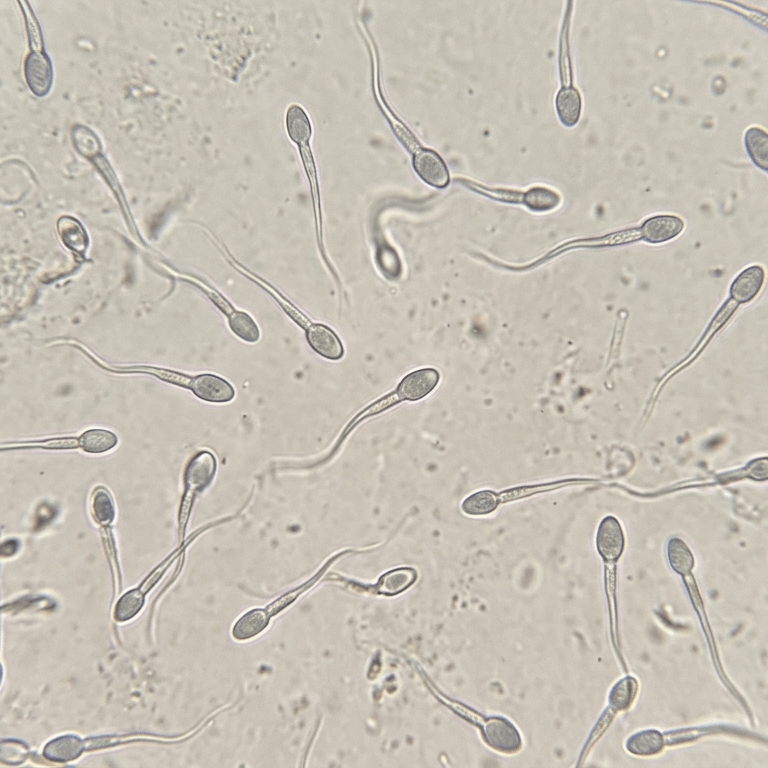
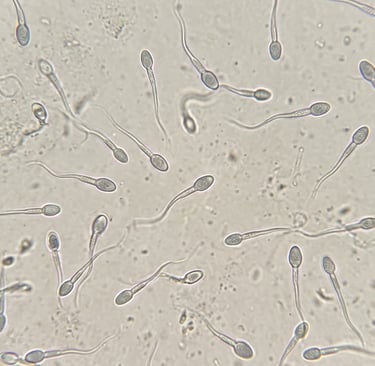
This is a piece of the glutathione story that doesn't get nearly enough attention, but the evidence is compelling. Oxidative stress is now recognised as one of the primary drivers of male infertility, and sperm cells are particularly vulnerable because of their high membrane lipid content and limited internal antioxidant repair capacity.
Glutathione, along with related enzymes like glutathione peroxidase and glutathione S-transferases, is present in both sperm cells and seminal plasma, where it helps neutralise the reactive oxygen species generated during normal metabolism. Clinical research comparing fertile and infertile men has found that seminal glutathione concentrations are measurably lower in men with poor sperm parameters — including reduced motility, lower sperm count, and abnormal morphology — compared with normozoospermic (normal) samples. Glutathione and total redox antioxidant capacity have even been proposed as useful biomarkers in the clinical assessment of male infertility.
Hyperbaric oxygen therapy (HBOT) works by delivering oxygen at pressures well above what we breathe normally, a powerful tool for healing and recovery. But that surge in oxygen availability comes with a trade-off: it also increases the production of reactive oxygen species in the body.
Research on prolonged HBOT protocols has found that repeated sessions, without antioxidant support, can lead to a state of oxidative stress that specifically affects the enzymatic antioxidant defence system. Studies showing reduced activity of enzymes like superoxide dismutase and catalase after a course of sessions. Other research investigating HBOT and mitochondrial function has noted that the reversal of oxidation products after a session actually happens faster than the recovery of antioxidant enzyme activity, meaning there's a window where your antioxidant defences are working to catch up.
This is precisely why replenishing glutathione around an HBOT session makes physiological sense: you're giving your body the raw antioxidant capacity to manage the oxidative load that the therapy itself generates, supporting the intended healing benefits rather than leaving your defences to play catch-up on their own.
In men with conditions such as varicocele or genital tract inflammation (both conditions are associated with elevated oxidative stress in the reproductive tract) glutathione supplementation has been shown in clinical studies to improve sperm quality parameters. For couples trying to conceive, or for men simply wanting to support long-term reproductive health, glutathione status is a genuinely relevant, and often overlooked, piece of the picture.
References
- Aquilano K, Filomeni G, Ciriolo MR. "Glutathione and Its Role in Cellular Function." Adv Exp Med Biol. 2014.
- Diaz-Del Cerro E, Martinez de Toda I, Félix J, Baca A, De la Fuente M. "Components of the Glutathione Cycle as Markers of Biological Age." Antioxidants (Basel). 2023.
- Pallardó FV et al. "Changes in the intracellular homocysteine and glutathione content associated with aging." Clin Chem Lab Med / age-related redox study.
- Nyanhongo GS et al. "Age-associated perturbations in glutathione synthesis in mouse liver." PMC.
- Various authors, "The Role of Antioxidants in Male Fertility: A Comprehensive Review." Antioxidants (MDPI), 2025.
- Raijmakers MT et al. "Glutathione and glutathione S-transferases A1-1 and P1-1 in seminal plasma may play a role in protecting against oxidative damage to spermatozoa." Fertil Steril. 2003.
- "Impact of seminal trace element and glutathione levels on semen quality of Tunisian infertile men." BMC Urology.
- "Oxidative stress and antioxidant status in patients undergoing prolonged exposure to hyperbaric oxygen." ScienceDirect.
- "Hyperbaric Oxygen Treatment: Effects on Mitochondrial Function and Oxidative Stress." PMC, 2021.
- "Sauna use as a lifestyle practice to extend healthspan." ScienceDirect, 2021.
- "Disturbances in Pro-Oxidant-Antioxidant Balance after Passive Body Overheating." PLoS One, 2014.
- "A Targeted Metabolomic Assessment of Oral Glutathione Bioavailability and Safety in Humans: A Randomized Crossover Clinical Trial." Antioxidants (MDPI), 2026.
- Neutralising free radicals: it donates electrons to unstable reactive oxygen species (ROS) before they can damage cell membranes, proteins, and DNA.
- Recycling other antioxidants: it regenerates vitamins C and E once they've been "used up" fighting oxidative stress, essentially extending their working life.
- Supporting detoxification: the liver relies on glutathione as a key cofactor for clearing toxins, heavy metals, and metabolic waste products.
- Regulating immune function and inflammation: it helps balance immune cell signalling and keeps chronic low-grade inflammation in check.
- Supporting DNA synthesis and repair: glutathione's sulfhydryl group plays a role in maintaining healthy cell replication and gene expression.
Glutathione and Healthy Sperm
Olympian Wellness Ltd trading as Olympian Wellness Clinic
Registered address: 57 High St, Hanham, Bristol, BS15 3DQ
company number: 16675182
© 2026. All rights reserved.
Based and operate at
The Wellness Collective Bristol
57 High Street, Hanham, BS15 3DQ